One building in Aveiro
A former tile works on Rua da Fábrica, taken over in 2013 and rebuilt around plaster rather than tile. Everything except cord braiding and printed packaging happens inside it.
Departments
| Department | Equipment and staffing |
|---|---|
| Model shop | Two model makers, hand tools and a small CNC for masters |
| Tooling | Silicone mixing and degassing; tools cut and numbered in house |
| Casting | Four pouring benches with vacuum mixers, around 2,400 pieces a day |
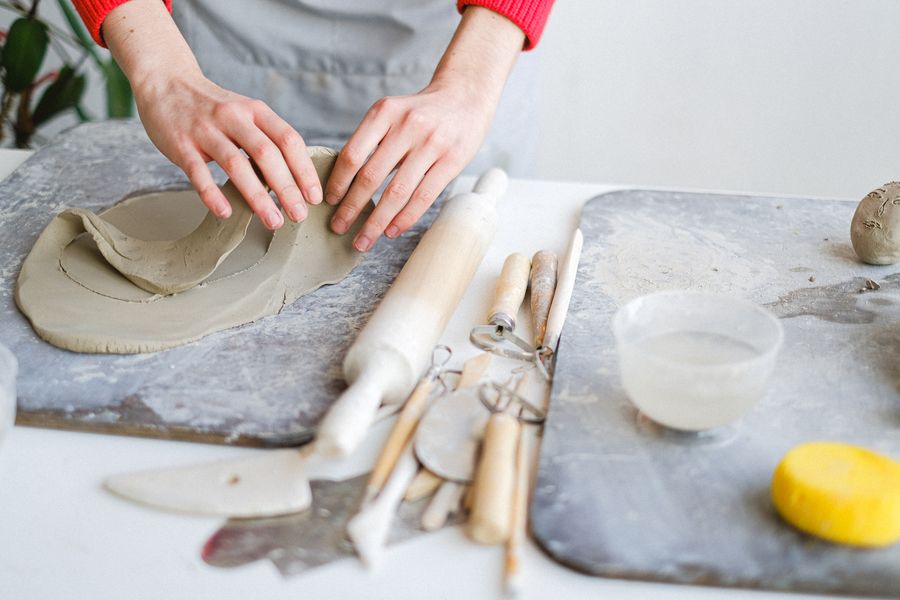
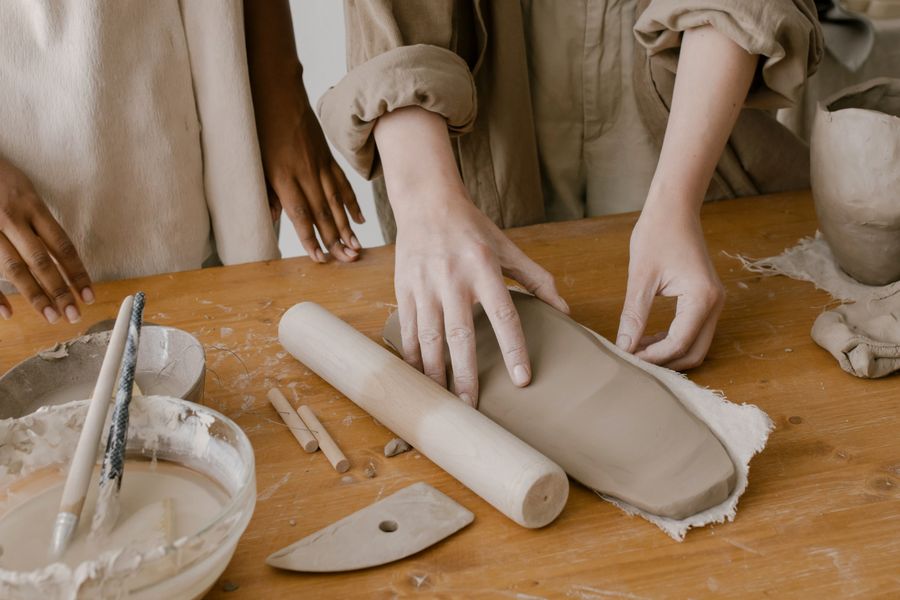
| Ceramic forming | Slip casting bay and a press bench for flat forms |
| Kiln | One 3 m³ electric kiln, two firings a week at 1180 °C |
| Finishing | Tumbling, hand sanding, colour wash and emboss inspection |
| Packing | Sachet and box lines, palletising and export documentation |
Capacity, stated plainly
Around 2,400 cast pieces a day and roughly 9,000 ceramic pieces a week, firing bound. In practice that means we can take about fourteen developments a season alongside repeat production. When the model shop is full we say so and give a date rather than accepting work we will deliver late.
People
Nineteen people. Casting and finishing are the hardest roles to fill in the district and we train rather than recruit for them; three of the current casters started as packers.
Water and waste
Plaster waste is the real environmental question in this trade, not packaging. Set plaster is crushed and taken by a local aggregate recycler; slurry goes through a settling tank rather than into the drain, which is a legal requirement here and one that is not universally observed. Our discharge consent number is on every audit pack we issue.
Audits and visits
We host client quality and social audits and have never refused one; the reports belong to the client. Aveiro is fifty minutes from Porto by train, and a visit that includes watching your own form being cast needs scheduling against the pouring plan, so give us a fortnight.