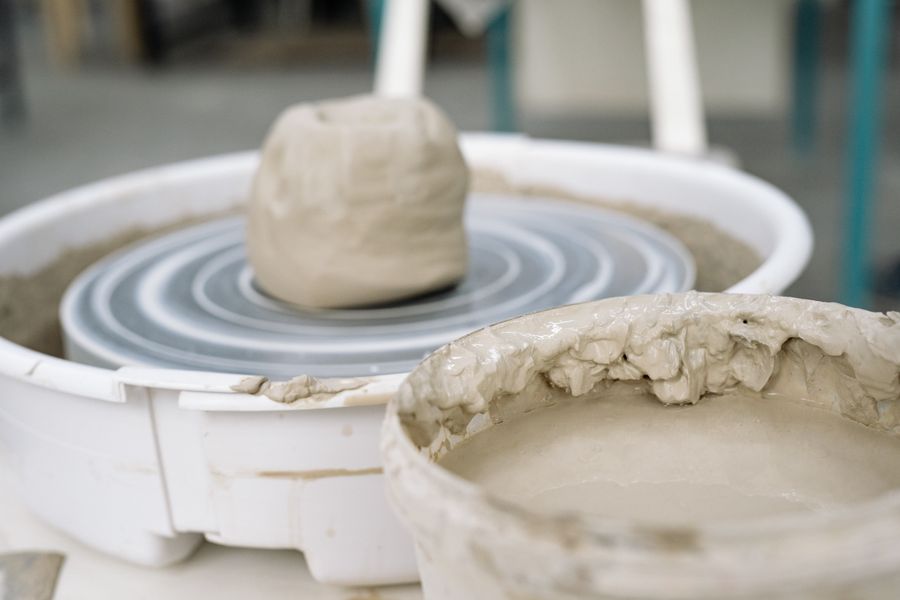
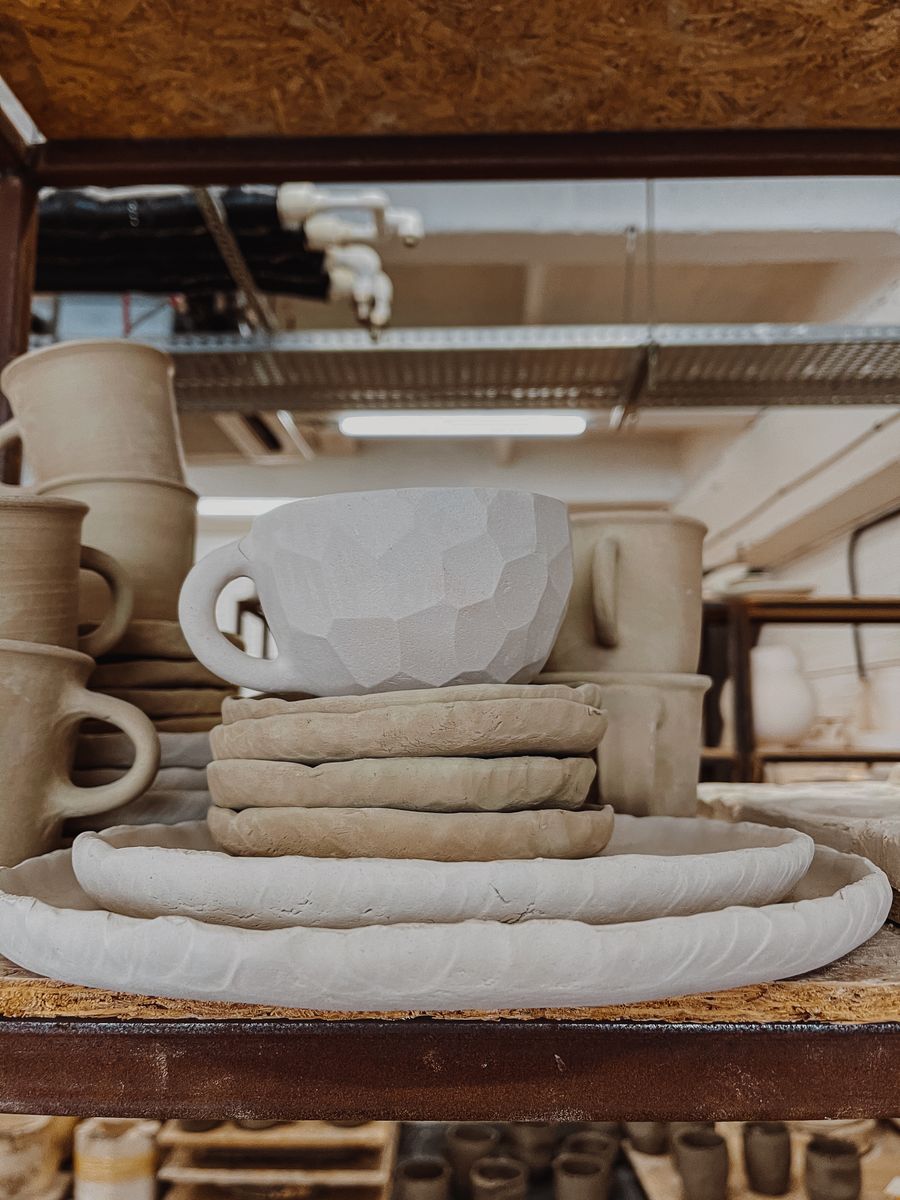
What the body is made of
Six material groups, and the absorption figures that decide how long a piece actually holds scent.
| Group | Specification |
|---|---|
| Gypsum body | Alpha-hemihydrate plaster, dense enough to hold an edge but open enough to wick oil. Absorption 18–24 per cent by weight. |
| Ceramic body | Porous stoneware fired to 1180 °C. Absorption 12–16 per cent, and unlike plaster it will not soften in a humid bathroom. |
| Colour | Mineral pigments blended into the slurry, not painted on, so a chipped edge is the same colour as the face. |
| Cord and fittings | Waxed cotton, jute and recycled polyester cords; brass and stainless rings where a metal fitting is asked for. |
| Adhesives and sealers | Water-based throughout. No solvent sealers, which interfere with the scent the piece is supposed to carry. |
| Packaging | Recycled board, glassine sachets and moulded pulp trays. Plastic blister only where a client's retailer requires it. |
Absorption, and why brands should quote it
A customer asking "how long does it last" is asking about absorption and evaporation, not about scent strength. A gypsum stone at 22 per cent absorption holds roughly four times its visible surface load and releases it over three to six weeks indoors. Ceramic holds less and releases more slowly, which is why it suits car and wardrobe use where re-dosing is inconvenient.
| Body | Absorption | Typical hold | Best suited to |
|---|---|---|---|
| Gypsum, standard | 18–24% by weight | 3–6 weeks per dose | Room, drawer, gift |
| Gypsum, dense | 12–15% | 2–3 weeks | Sculptural pieces, low dose |
| Ceramic, porous | 12–16% | 4–8 weeks per dose | Car, wardrobe, humid rooms |
| Ceramic, dense | 6–9% | Surface only | Vessels and lids, not carriers |
Colour
Mineral pigment goes into the slurry rather than onto the surface. It costs more per batch and it means a chipped edge shows the same colour as the face, which matters on a product people handle. Painted finishes are available and we will quote them, but we will also tell you they chip.
What we do not use
- Solvent-based sealers. They interfere with the scent the piece is supposed to carry.
- Fillers to bring weight up. A piece that feels heavy for its size should be dense, not loaded.
- Optical brighteners in white bodies. They shift under retail lighting and look grey next to packaging.
Declarations
Every production run ships with a material declaration listing body composition, pigment, cord and packaging with supplier and origin, which is what a client needs for labelling and for customs.